Strategic Plan

Body
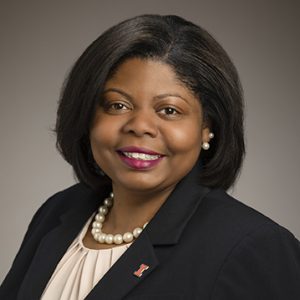
Dr. Danita M. Brown Young, Vice Chancellor for Student Affairs

In the fall of 2018, the University of Illinois Urbana-Champaign announced its strategic plan, “The Next 150.” Not long after, Student Affairs began to engage in its own strategic planning process to build upon the campus’ plan and define our role in shaping the Illinois experience. Our university and our division are among the best in higher education, a good foundation to build upon, indeed.

The resulting Student Affairs strategic plan is progressive and focuses on transformative learning experiences, student success, and service to our local and global communities. The planning process incorporated the ideas of our entire Student Affairs community, and those with whom we collaborate closely across campus, in reevaluating our vision, mission, values, goals, initiatives, and metrics, and in creating a roadmap leading to accomplishment.

Thank you to all the Student Affairs staff, campus colleagues, and community partners that assisted in the plan’s development.

Dr. Danita M. Brown Young
Vice Chancellor for Student Affairs

Our Approach

A modified model adapted from Bryson (2018) and further supported by the Bresciani (2010) data-driven planning approaches guided Student Affairs’ Strategic Planning efforts.

This hybrid model allowed the planning team to conduct the strategic planning process through data engagement, development of vision, mission, and values, and included a strong emphasis on metrics development.

The execution of the strategy focused on tactical, operational, and budgetary planning, along with developing capacities and perspectives to succeed for individual units through action planning.

The Team

Co-Chairs

  • Beth Hoag, Ph.D., Director for Assessment and Planning
  • Brian Farber, Executive Assistant to the AVC for Auxiliaries, Health and Wellbeing

Strategic Planning Team

  • Domonic Cobb, Director for Office of Minority Student Affairs
  • Jason W. Ensign, Director of Dining Services
  • Jim Hintz, Associate Vice Chancellor for Student Success and Engagement
  • Chantelle Thompson, Director of Marketing and Communications
  • Lisa Jackson, Associate Director for New and Transfer Student Programs
  • Carla McCowan, Director for Counseling Center
  • Jorge Mena Robles, Assistant Director for La Casa
  • Ann-Marie Morgan, Assistant Dean of Students
  • Anna Tsai, Sr. Executive Director for Administrative Services
  • Ross Wantland, Director for Diversity Education and Social Justice Education
  • Jeanette Weider, Associate Director for Family and Grad Housing
  • Bryan Johnson, Project Manager, University Housing
  • Belinda De La Rosa, Director of Assessment for Auxiliary, Health, and Wellbeing & Student Success and Engagement
  • Connor Josellis, Illinois Student Government President
  • Michelle Cheung, Turner Fellow
  • Samantha Cushing, Turner Fellow
  • Miranda MacNaughton, Turner Fellow

Strategic Plan At A Glance

Process

The Student Affairs Leadership Team charged Student Affairs staff members and students t o serve on the Student Affairs Strategic Planning Team (SASPT) in summer 2019. The team was charged to lead an inclusive, transparent, and collaborative planning process that was informed by data, engaged a broad base of Student Affairs staff, students, and stakeholders, and create public trust and value for the plan.

In September 2019, the SASPT identified important campus and community stakeholders to their work in Student Affairs, inviting nominees from Student Affairs directors, department heads, and leadership team who would be purposefully engaged throughout the planning process. From this list of stakeholders, work groups were identified to develop vision, mission, and values statements that guide the decision-making processes and inspired future directions. Through a series of meetings, these work teams developed statements that were shared with staff members for further input and comment before final submission for Student Affairs leadership team review and approval.

In November 2019, the SASPT hosted a series of Strengths, Weaknesses, Opportunities, and Challenges (SWOC) summits with identified stakeholders to identify strengths, weaknesses, opportunities, and threats for the current context of the division, describe the division's distinctive competencies, and identify factors critical to the current and future success of Student Affairs. The summits were guided and brainstorming sessions designed to gather diverse perspectives as participants identified themes individually and collectively. Data from all summits were combined, sorted and published on the planning website for public consumption and input. In January 2020, the SASPT used that data and public feedback to identify the key questions and issues that the Student Affairs plan must answer in the next five years, and then began the process of identifying the strategic initiatives to pursue. This iterative process was marked by months of feedback and revision by the team.

The Student Affairs Strategic Plan builds on the four fundamental goals of the university's "The Next 150" campus Strategic Plan. The SASPT organized initiatives into ten themes and again sought feedback from stakeholders inside and outside of Student Affairs through publicly sharing the draft document, presentations t o units, and providing an open comment period. SASPT members met individually with each commenter who requested follow-up. SASPT continued t o evaluate and incorporate relevant feedback until it was finalized in December 2019.

Context

No strategic plan is created in a vacuum and it is important to recognize the historical context that influenced the creation o f the plan. We acknowledge that the university is o n the lands of the Peoria, Kaskaskia, Piankashaw, Wea, Miami, Mascoutin, Odawa, Sauk, Mesquaki, Kickapoo, Potawatomi, Ojibwe, and Chickasaw Nations. These lands were the traditional territory of these Native Nations prior to their forced removal; these lands continue to carry the stories of these Nations and their struggles for survival and identity. We have a responsibility to acknowledge the peoples of these lands as well as the histories of dispossession that have allowed for the growth of this institution for the past 150 years. In the creation of the Student Affairs strategic plan, we actively reflected on this history, the role the university played, and worked to center marginalized voices.

In March 2020, the university transitioned to fully remote instruction in response to the COVID-19 pandemic causing Student Affairs professionals to reinvent their work to support students. The global pandemic has impacted all aspects of university life including a reduction in fiscal resources, increased demand for virtual services, and a campus commitment to improved physical and mental health. The pandemic had significant impact on what was included in the strategic plan and will no doubt raise significant obstacles to overcome as we strive to fulfill it.

Also in spring 2020, the movement for Black lives, criminal justice inequality, and a national reckoning with the systematic oppression of marginalized people drew overdue national attention. Justice is a fundamental value of Student Affairs and its work to promote equity and inclusion will continue to b e an essential cornerstone of the division. The seismic events of the pandemic and the movement for Black lives had significant effects on the final product of the strategic plan.

These initiatives chart a bold future for Student Affairs that will enhance learning, foster community and belonging, and make a considerable impact on the campus community.

Vision, Mission & Values

Vision: A community of excellence inspiring holistic growth and development for every student.

Mission: Student Affairs is a community that fosters belonging, imagines possibilities, enhances learning, and makes a societal impact.

Values

  • Student-Centered: We ensure all initiatives include a student voice and act in the best interest of students. Our work is grounded in service with student success at the heart of our efforts.
     
  • Justice: We work to foster a just, inclusive, and fair campus environment where everyone in the Illinois community is treated equitably. We champion respect for each other, collaborative and inclusive decision-making, individual stories, and diverse perspectives.
     
  • Learning: We are committed to a transformative learning process that is innovative, forward thinking,
    and inspires excellence. As educators, we value theory-driven and evidence-based practices to challenge and support student growth, knowledge, and understanding.
     
  • Wellness: We support and encourage the holistic health of all members of the Illinois community. We understand that our well-being has significant impact on our ability to achieve our goals.
     
  • Integrity: We strive for a community that acts with honesty, transparency, and in accordance with the highest ethical standards. We are a community that is accountable to one another, to the wider Illinois community, and beyond.


Goals and Initiatives

150 Goal 1: Foster Scholarship, Discovery, and Innovation

Student Affairs ensures the quality o f learning by fostering a culture of assessment to enhance student learning, improve program effectiveness, and strengthen service implementation. We will use theory-driven, evidence-based, and culturally relevant practices to improve the student experience.

A . Assessment and Evaluation

i. Promote and implement common division-wide data collection best practices to make data-informed decisions on student programs and services.

ii. Create unit-level assessment plans that utilize student learning outcomes, student performance data, and tracking/analytics to inform programmatic, human resource, and financial decision-making.

ili. Ensure the quality of learning by creating and sharing learning outcomes for all units that are consistent with campus-wide student learning outcomes.

iv. Track and utilize student demographic trends to ensure our programs and services best serve our student population.

v. Increase the division-wide capacity for assessment by offering regular professional development opportunities and connecting staff to assessment learning opportunities.

vi. Identify and address gaps in data access, human, and financial resources to grow a culture of assessment that utilizes data to improve student learning and success.


150 Goal 2: Provide Transformative Learning Experiences

Student Affairs supports student learning and development, holistic health and well-being, and socially just practices through our co-curricular programs and services. We foster a collaborative culture that promotes a shared purpose to empower students to reach their highest potential.

B. Health and Well-Being 

i. Increase staffing and resources to strengthen mental health services to students. 

ii. Improve student overall health and wellness by coordinating wellness education, physical activity, prevention strategies, and resources. 

iii. Develop and implement collaborative well-being services and programs with a concentrated focus on diversity, equity, and inclusion. 

iv. Invest time and resources to address student food insecurity. 

v. Lead the university's efforts to support students in emergencies and spearhead robust fundraising efforts geared toward student emergencies.

vi. Reduce risk of targeted violence through early intervention and proactive community engagement.

C. Equity, Inclusion, and Justice

i. All Student Affairs units will engage in a systematic review of their policies and practices to ensure equity, inclusion, and justice. This includes valuing the voices of marginalized communities, engaging in training/development, participating in decolonization practices, and deconstructing policies that sustain systematic oppression and white supremacy.

ii. Integrate and emphasize global perspectives within our work and benefit from the international diversity of our students, faculty, and staff.

iii. Prepare students for living in a diverse, globally minded society through student-life activities, academic coursework, and international experiences that promote social justice and inclusion.

iv. Increase the reach of social justice training and initiatives to attract and impact the entire campus community.

v. Enhance support for students with diverse abilities t o ensure that all students have the same opportunity to acquire information and receive services.

vi. Collaborate with campus partners to conduct climate surveys at regular intervals and use the results to reduce inequality and expand socially just practices.
 

D. Leadership Development and Career Development

i. Develop students to b e leaders who work with others t o create positive change in teams, organizations, and their communities.

ii. Advise, coach, and mentor students to connect academic and co-curricular experiences with their career aspirations, civic engagement, and professional development.

iii. Develop a more comprehensive approach to student organization support that includes leadership training, enhanced business operations, and improved event management.

E. Civic Engagement and Community Accountability

i. Increase student opportunities for service learning, volunteerism, and internships through campus, local, tribal, national and international organizations.

ii. Expand opportunities for students t o explore their role in creating community change through civic education and democratic engagement.

iii. Support the community standards of the university by promoting ethical decision making, encouraging personal and social responsibility, and facilitating the effective resolution of conflict.

F. Technology for Learning

i. Innovate and deliver programs and services in a variety of formats to create a seamless and inclusive learning experience.

ii. Explore and incorporate technologies to support digital learning in co-curricular programs and services.

150 Goal 3: Make a Significant and Visible Societal Impact

Student Affairs embraces our role as a community partner and will collaborate and communicate with all stakeholders to enhance the student experience and fulfill our public engagement mission.

G. Collaboration and Community Partnerships

i. Enhance partnerships with state, local agencies, and tribal governments to further the mission of public engagement.

ii. Create more opportunities for students to directly shape their Illinois experience.

iii. Audit existing student services and programs to identify intersections and potential areas for increased collaboration.

iv. Work with campus partners to address unmet student financial need and advocate to address barriers in financial aid policy review.

v. Partner with academic affairs to develop a campus center for academic support.

vi. Develop a comprehensive orientation, transition, and first-year experience program for new students, in partnership with campus stakeholders.

H . Marketing and Communication

i. Develop and execute an integrated, coordinated, and sustained marketing and communications plan.

ii. Establish a current, unified, and accessible web presence for Student Affairs departments.

150 Goal 4: Steward Current Resources and Generate Additional Resources for Strategic Initiatives

Student Affairs recognizes that employees are our most valuable resource and is dedicated to supporting a team that enhances the student experience. We embrace continuous improvement by stewarding fiscal, technological, physical, and human resources to improve our programs and services.

I. Fiscal and Capital Resources

i. Increase capacity, scale efficiencies, and improve service quality while addressing the specialized needs of units through shared services and collaboration.

ii. Develop an ongoing collaborative approach to fiscal and capital planning initiatives that promotes space optimization, greater equity, and stewardship of resources across the division.

ili. Build transparency and improve understanding of budget, accounting, and financial planning for all divisional employees to foster trust, stewardship, and collaboration.

iv. Establish continual business process improvement methodology to simplify the student experience, to reduce costs, and to enhance productivity.

v. Develop a long-term divisional strategy to expand Student Affairs advancement.

J. Human Resources

i. Engage in compensation and benefit benchmarking and address deficiencies to ensure we retain and attract high-quality student affairs professionals.

ii. Improve efficiency and reduce the length of vacant positions b y developing training materials while sharing and refining hiring practices.

iii. Commit to hiring diverse, high-quality student affairs professionals.

iv. Develop a division-wide professional development strategy focused on enriching and retaining talented professionals.

The Next 150

This section represents the ways the Student Affairs Strategic Plan maps to various goals in the university's strategic plan, The Next 150.

Student Affairs Strategic Plan Theme Mapping

Student Affairs Strategic ThemesThe Next 150 Goal: 
Foster Scholarship, Discovery, and Innovation
The Next 150 Goal: Provide Transformative Learning ExperiencesThe Next 150 Goal: Make Significant and Visible Societal ImpactThe Next 150 Goal: Steward Current Resources and Generate Additional Resources for Strategic Initiatives
A. Assessment and Evaluation

1

2.B

  
B. Health and Well-being

1.E

2.B

  
C. Culturally Responsive and Socially Just Practices and Programs 

2.C, 2.D, 2.E


4.D

D. Leadership and Career Development 

2.B, 2.E

3.C

 
E. Civic Engagement and Community Responsibility 

2.B, 2.E

3.C

 
F. Technology for Learning 

2.G

  
G. Collaboration and Partnerships 

2.B

3.B

 
H. Marketing and Communication  

3.I

 
I. Fiscal and Capital Resources   

4.A, 4.E

J. Human Resources   

4.D

Subcommittee Members

Mission and Vision Sub-Committee

Co-Chairs: Lisa Jackson, Aurelia Kollasch, Ross Wantland
Strategic Planning Team Members: Carla McCowan, Anna Tsai, Jim Hintz

Members

Jackie Beard, Auxiliary, Health & Wellbeing - McKinley Health Center
Mari Anne Brocker Curry, Auxiliary, Health & Wellbeing - University Housing
Clair Bryan, Student Success and Engagement - Illinois Leadership Center
Sarah Colomé, Inclusion and Intercultural Relations - Women's Resources Center
Belinda De La Rosa, Student Success and Engagement - Testing Center
Betoel Escobar, Student Success and Engagement - Minority Student Affairs
Chelsea Hamilton, Auxiliary, Health & Wellbeing - University Housing
Regina Harrington, Auxiliary, Health & Wellbeing - McKinley Health Center
Lori Holmes, Auxiliary, Health & Wellbeing - Illini Union
Arianna Holterman, Student Assistance Center
Debra Imel, Office of the Dean of Students
David Mizell, Auxiliary, Health & Wellbeing - Illini Union
Chris Murphy, Auxiliary, Health & Wellbeing - University Housing
Jennifer Neef, Student Success and Engagement - The Career Center
Jerry Ogbudimkpa, Auxiliary, Health & Wellbeing - McKinley Health Center
Kim Otchere, Auxiliary, Health & Wellbeing - University Housing
Shawna Patterson-Stephens, Inclusion and Intercultural Relations
James Quisenberry, Auxiliary, Health & Wellbeing - Student Affairs Technology
Erik Riha, Auxiliary, Health & Wellbeing - Illini Union
Howard Salazar, Office of the Vice Chancellor for Student Affairs - Adm. Services
Becki Salzman, Auxiliary, Health & Wellbeing - Illini Union
Yun Shi, Inclusion and Intercultural Relations - International Education

Values Sub-Committee

Co-Chairs: Brian Farber, Ann Marie Morgan, Jorge Mena Robles
Strategic Planning Team Members: Domonic Cobb, Jason Ensign, Chantelle Thompson, Jeanette Weider

Members

Patricia Anton, Auxiliary, Health & Wellbeing - University Housing
Elizabeth Bowden, Auxiliary, Health & Wellbeing - Illini Union
David Chih, Inclusion and lntercultural Relations - Asian American Cultural Center
Kathryn Courtney, Auxiliary, Health & Wellbeing - University Housing
Amanda Cox, Student Success and Engagement - The Career Center
Angie Dimit, Office of the Vice Chancellor for Student Affairs - Office of Advancement
David Guth, Auxiliary, Health & Wellbeing - Illini Union
Beth Hoag, Student Success and Engagement - Illinois Leadership Center
Andrew Hohn, Student Success and Engagement - Fraternity and Sorority Affairs
Gina Lee-Olukoya, Student Success and Engagement
Julia Makela, Student Success and Engagement - The Career Center
Liudmila Mirica, Office of the Vice Chancellor for Student Affairs - Adm. Services
Leslie Morrow, Inclusion and lntercultural Relations - LGBT Resource Center
Jan Phillips, Auxiliary, Health & Wellbeing - McKinley Health Center
Judy Rubenacker, Auxiliary, Health & Wellbeing - McKinley Health Center
Jamie Singson, Auxiliary, Health & Wellbeing
Katherine Snyder, Office of the Dean of Students
Alex Suñe, Student Success and Engagement - Illinois Student Government
Corey Thoss, Student Success and Engagement - New and Transfer Student Programs
Zuri White, Auxiliary, Health & Wellbeing - Illini Union
Robert Woodward, Auxiliary, Health & Wellbeing - McKinley Health Center

Comments

Thank you for your interest in the Student Affairs strategic planning process. We want to hear your thoughts. Please share your comments, questions, and ideas as they relate to our planning efforts. If you require assistance, please be sure to include your phone number and/or email address so one of our team members can contact you.